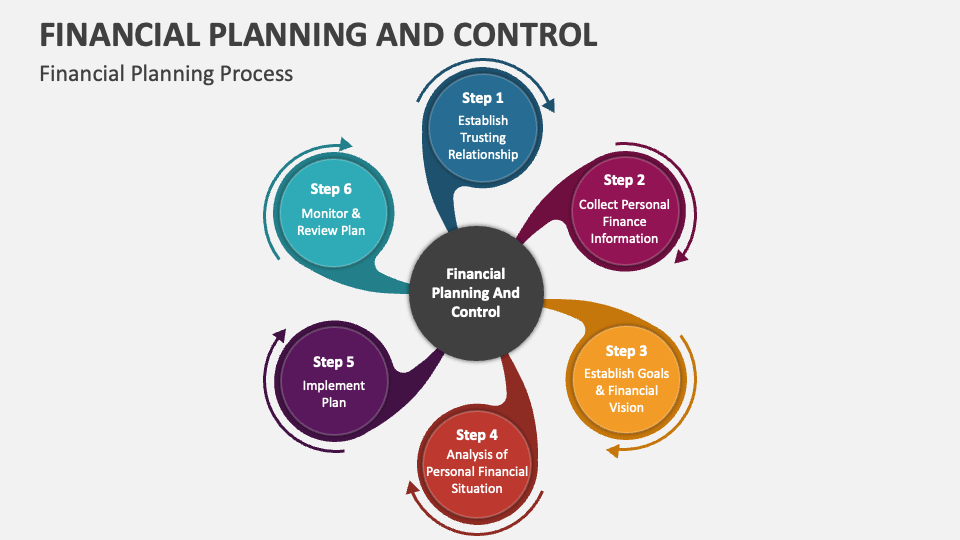
Achieving Financial Freedom: Methods for Effective Administration
In the current fast-paced world, the pursuit for financial freedom has turned into more and more important. Navigating personal finances can sometimes appear daunting, but successful financial management is the solution to accessing a life of stability and prosperity. Understanding what financial management is and how it possesses such significance can serve as the cornerstone for making informed decisions that influence your financial health for a long time to come.
For newcomers, embarking on the journey of successful financial management can be both thrilling and overwhelming. With a wealth of strategies at your disposal, ranging from creating a personal financial management plan to building a budget that fits your lifestyle, there are feasible steps you can take toward achieving your financial goals. Being aware of the common mistakes and managing your resources effectively can set the path to financial security, enabling you to not only meet your day-to-day costs but also plan in your future.
Comprehending Monetary Oversight
Financial management encompasses a collection of procedures and plans that help people and entities efficiently administer their economic resources. It involves forecasting, organizing, guiding, and controlling economic activities, such as acquisition and employment of capital. Comprehending monetary management is essential, as it establishes the cornerstone for establishing financial security and achieving targeted economic outcomes.
The significance of fiscal management cannot be underestimated. For people, it opens the way for cost management, saving money, growing wealth, and ultimately achieving financial independence. For businesses, effective monetary management contributes to better decision-making, improved earnings, and sustainable expansion. A strong grasp of fiscal principles allows stakeholders to maneuver market variability and make educated choices in an increasingly complex monetary landscape.
Proficient fiscal management furthermore relies on monitoring and examining economic data to evaluate efficacy. By comprehending fiscal statements and measures, both individuals and entities can recognize trends, control cash flow, and make preemptive adjustments to their financial plans. This strategic approach not just enhances financial stability but also enables investors to set realistic financial goals and achieve enduring success.
Proven Methods for Money Management
One of the key strategies for effective money management is developing a detailed budget. website allows you to track your income and expenses, ensuring that you live within your means. Start by listing https://queenheat2.werite.net/the-economic-fitness-program-building-a-financial-plan-which-functions of income and then categorize your expenses into fixed and variable costs. Designate a percentage of your income to savings and prioritize essential expenses to avoid overspending. Review your budget regularly to identify areas where you can decrease and revise to strengthen your financial health.
Another key strategy is to build an emergency fund. This fund serves as a financial safety net for unexpected expenses, such as medical emergencies or car repairs, lessening the need to rely on credit cards or loans. Aim to save three to six months' worth of living expenses in a separate, easily accessible account. Creating this fund takes time and commitment but will enhance your financial stability and peace of mind in the end.
Lastly, it is essential to manage and control debt efficiently. High levels of debt can impede your financial progress and create excessive stress. Focus on paying off high-interest debts initially while making minimum payments on less expensive accounts. Consider debt consolidation options if they present better terms. Additionally, taking a proactive approach to managing credit will facilitate enhance your credit score, allowing for better financing options on upcoming loans.
Enhancing Monetary Security and Progress
To achieve monetary grounding and growth, individuals and businesses must primarily prioritize efficient budgeting. Formulating a budget that aligns with both immediate needs and long-term goals allows more effective tracking of earnings and costs. This practice merely provides transparency on cash flow but also illustrates areas where reductions can be made. By consistently reviewing and modifying the budget, one can respond to changes in revenue or unexpected expenses, thus maintaining fiscal health.
Another crucial method is managing debt. Effectively handling debt involves comprehending existing debts and organizing repayment based on cost of debt and deadlines. Consolidating high-interest debt into a less burdensome payment plan can significantly reduce financial stress and liberate cash for other investments. Building a strong credit score through prudent debt management is crucial for securing upcoming financing options, helping in both personal and commercial growth.
Committing in financial literacy is essential for maintaining stability and encouraging growth. By teaching oneself about economic management concepts, tools, and approaches, individuals and business owners can make informed decisions that correspond with their monetary aspirations. Getting professional guidance when necessary can provide further insights and approaches tailored to specific situations, establishing a strong foundation for monetary success in the years to come.