Utility Survey Basics: Guaranteeing Safe Excavating and Development
In the realm of building and excavation, utility surveys have become an integral part in securing successful project execution. As the demand for structural development continues to increase, understanding the subsurface terrain is more crucial than ever before. Utility surveys provide essential information about current underground utilities, including hydration, natural gas, electricity, and communication networks. Failing to conduct a proper utility survey can lead to serious ramifications, which can involve expensive setbacks to possible dangers during excavation.
This article will serve as a detailed guide to utility surveys, outlining their significance, approach, and how they add to safer construction methods. From differentiating between utility surveys and utility mapping to examining the most recent technological advancements in the field, we aim to provide construction professionals and developers with the understanding they require to navigate the difficulties of utility surveys efficiently. Regardless of whether you're starting a novel construction or preparing for renovation work, comprehending the essentials of utility surveys can enable you reduce risks and secure a smoother path to project conclusion.
Grasping Utility Surveys
Utility surveys are important tools used in construction and excavation projects to identify and find underground utilities such as water, gas, electrical lines, and communication lines. These surveys are critical for ensuring that building activities do not inadvertently damage existing infrastructure, which can lead to costly repairs and possibly hazardous situations. By gaining Great post to read of what lies beneath the ground, building teams can organize their work more efficiently and safely.
The importance of utility assessments is underscored by the potential risks associated with underground utilities. Hitting a utility line during excavation can result in serious accidents, including explosions, casualties, or service failures. Moreover, the financial implications of delaying a project due to utility damage can be significant. Conducting a utility assessment before any groundworks begin minimizes these risks and enhances overall project efficiency by offering accurate data that guides planning and decision-making.
In the last several years, developments in technology have changed how essential assessments are conducted. Techniques such as Ground Penetrating Radar (GPR) and electrical induction are now widely employed to attain high levels of accuracy and detail. These cutting-edge methods allow surveyors to effectively map both above-ground and underground utilities, improving the quality of information accessible to building teams. As a result, grasping utility surveys not only promotes more secure building practices but also contributes to the overall success of a project.
Importance and Advantages of Utility Surveys
Utility surveys act a crucial role in guaranteeing the safety and success of construction projects. By locating the positions and status of underground utilities such as liquid, natural gas, energy, and drainage systems, these surveys help mitigate accidental injury during excavation and construction tasks. This preventive approach not only protects workers and the public but also shields existing infrastructure, lowering the likelihood of costly repairs and service interruptions.
In addition to improving safety, utility surveys are essential for strategizing and reducing construction holdups. A comprehensive utility survey provides crucial information that enables project teams to make wise choices about site layout and excavation techniques. By comprehending the existing utilities before site works begin, construction teams can avoid surprise problems, optimize workflows, and ultimately keep projects on track and within budget.
Moreover, the information gained from utility surveys can lead to considerable cost savings for construction projects. Accurate mapping and detection of utilities reduce the chances of rework and delays associated with unexpected utility strikes. Furthermore, using advanced methods in utility surveys, such as Ground Penetrating Radar, allows for more efficient data collection and analysis. By committing resources in utility surveys initially, developers and contractors can obtain long-term financial advantages by preventing the costs and delays that arise from utility-related occurrences during construction.
Tech and Upcoming Developments in Utility Surveying
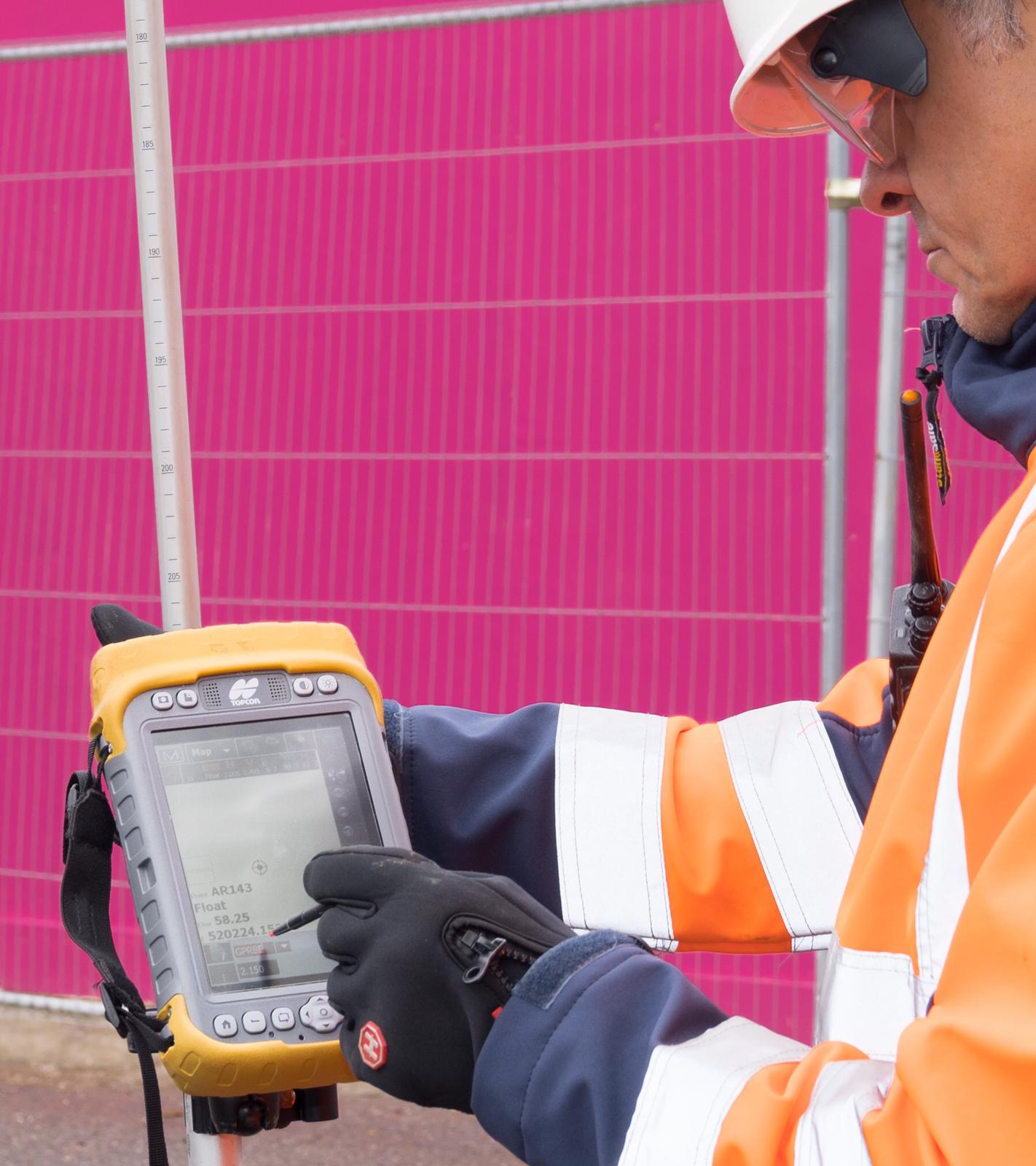
The landscape of utility surveying is rapidly changing with improvements in tech. Traditional methods, despite remaining relevant, are increasingly supplemented by cutting-edge techniques such as Ground Penetrating Radar (GPR) and EM induction. These technologies enhance the effectiveness and accuracy of detecting underground utilities, providing more detailed insights into underground infrastructure. The incorporation of UAVs and AI algorithms has also begun to take a major role in utility mapping, allowing for more rapid data collection and evaluation, ultimately simplifying the planning stages for construction projects.
Additionally, the future of utility surveying is strongly linked to the progress of BIM and digital construction methodologies. As professionals in the construction sector require more integrated approaches, utility surveys will more frequently contribute to virtual replicas and live data analytics. This change not only enhances collaboration among participants but also provides a comprehensive view of existing infrastructure that is essential for making informed decisions. The push for eco-friendliness and the demand for intelligent urban areas further emphasize the significance of accurate utility surveying in infrastructure planning and development.
Looking ahead, we can anticipate continuing innovation in methods of utility surveying, with an focus on enhancing precision and minimizing risks. Emerging technologies such as ML will likely change how data is interpreted, leading to improved predictive analytics for risks associated with construction. Furthermore, as laws around infrastructure safety tighten, the need for detailed and accurate utility surveys will only grow, ensuring the sustainability of construction projects in a more complex and stringent environment.